

LiveU’s multi-camera LU800 and intelligent LU900Q field transmission and production units powered multi-national remote cloud production workflows across the US, Mexico and Canada.
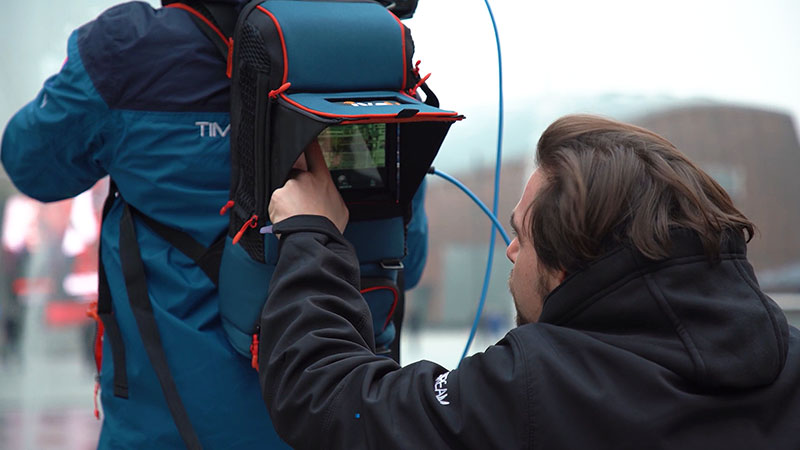
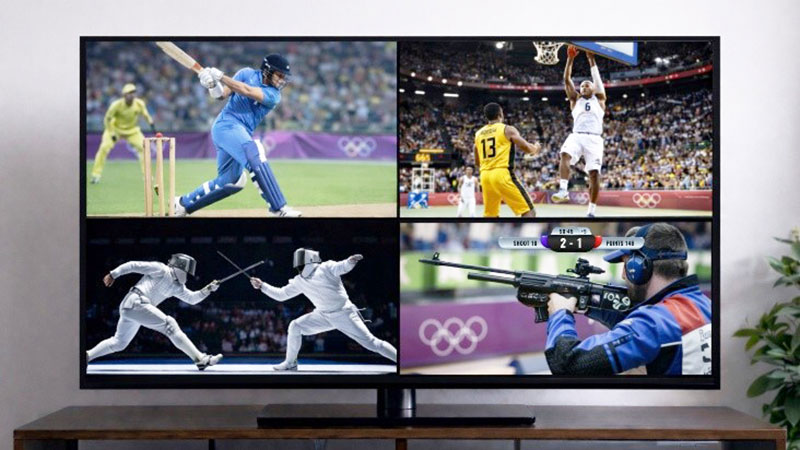
Extraordinary demand emerged for non‑rights and unilateral coverage across Mexico, the United States and Canada during the 2026 World Football Championship. This coverage spanned pre-match briefings, official training sessions, press conferences, in-stadium editorial positions, fan zones, team hotels and social media streams from city centres and public viewing areas. A higher than normal number of camera positions was also set up to capture unilateral feeds for richer multi-angle coverage.
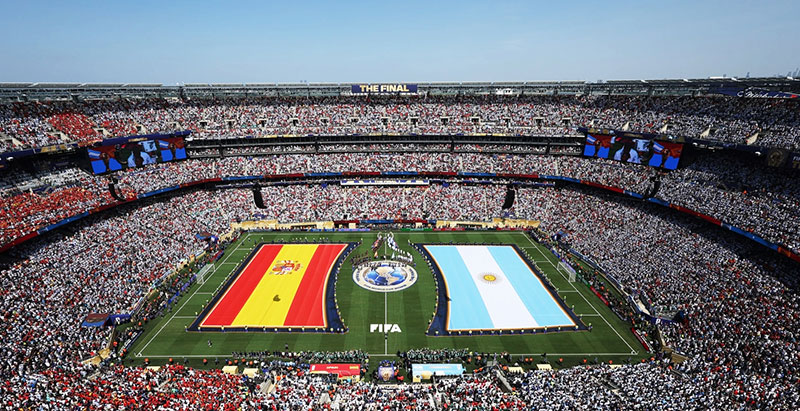
The range of sources reflects a fundamental shift in how broadcasters of all sizes and independent producers are now building remote, IP-first workflows around a major tournament. To meet the high demand over the six week period from 16 stadiums and 104 matches, the broadcasters, production houses, football federations and digital content creators deployed record numbers of portable video transmission field units. Users included independent creators and IRL streamers covering the event on their own channels, as well as public safety institutions.
Multi-Site Remote Broadcast Operation
LiveU was supporting many such producers and has reported transmitting 31,000 live feeds via 1,700 of their field units. The multi-site broadcast operation involved 17,000 broadcast hours for customers in 45 countries, representing 695TB of data. Broadcasters also deployed LiveU systems when setting up workflows for the additional camera positions.

In terms of transmission equipment, the project was anchored by the company's multi-camera LU800 field unit, and intelligent production unit LU900Q. Both devices run on the routing capabilities of LiveU’s IQ AI-driven connectivity (LIQ). The combination resulted in 4K-ready content to be delivered directly to millions of viewers worldwide, with ultra-low-latency.
"The sheer scale of this cross-border deployment reflects a joint collaboration with our global customers and partners to push earlier limits on live sports productions," said Gideon Gilboa, Chief Business Officer and GM Americas at LiveU. "We didn't just supply equipment – we worked with customers in advance as partners, to design and refine workflows to meet their operational needs and budgets.
“By shifting heavy infrastructure to the cloud, customers could expand their tournament footprint, capture more angles and enhance ROI without compromising on broadcast quality. LIQ and the LU900Q both focus on robust, high-performance field connectivity, which helps broadcasters maintain reliable live transmissions in demanding environments."
Network Data Analysis
LIQ analyses real-time and historical network data to optimise each transmission and dynamically prioritises and load-balances cellular connections through predictive network analysis, giving resilience that is critical in crowded stadium environments.
An example is Colombian television news organisation Noticias Caracol, which used LiveU's IP-based transmission for delivery throughout the event. The company’s sports anchor Mauro Milano needed to ensure that viewers received uninterrupted coverage with minimal delay.
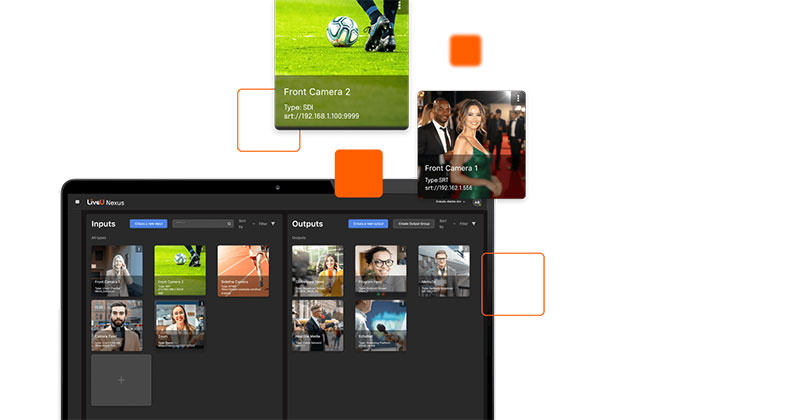
LiveU Nexus universal gateway
He had a very favourable experience with the LiveU LU800 while delivering live broadcasts from host cities in Kansas City, Dallas, Atlanta, Miami and New York/New Jersey. "Dependable connectivity is essential for uninterrupted television coverage," he commented. "The LU800 worked perfectly everywhere in the country. We haven't had a single problem."
AI-driven Connectivity
In general, broadcasters working with LIQ during the tournament achieved high average bitrates and maintained near-zero packet loss, even within those highly congested environments. LIQ's performance in the US market made a measurable difference for broadcasters operating across multiple cities and time zones. LIQ was complemented by LiveU Mobile Data, LiveU's cellular system that connects teams to multiple networks. All LiveU rental units came with Mobile Data as default, saving international teams from the hassle of sourcing local SIM cards in the US.
"When it was announced that Boston would be a host city, we knew this event would be massive," said Adam Liberatore, Chief Photographer, WFXT Boston 25 News. "As rights holders, we immediately planned to collaborate with LiveU, aiming to achieve the necessary bandwidth for smooth in-stadium newscasts. Handling up to four video sources per unit, the LU800 helped turn our operation into a mobile newsroom and, with LIQ connectivity, meant our lean production crew could make this global event memorable for viewers."
Centralising the Feed to Localise Stories
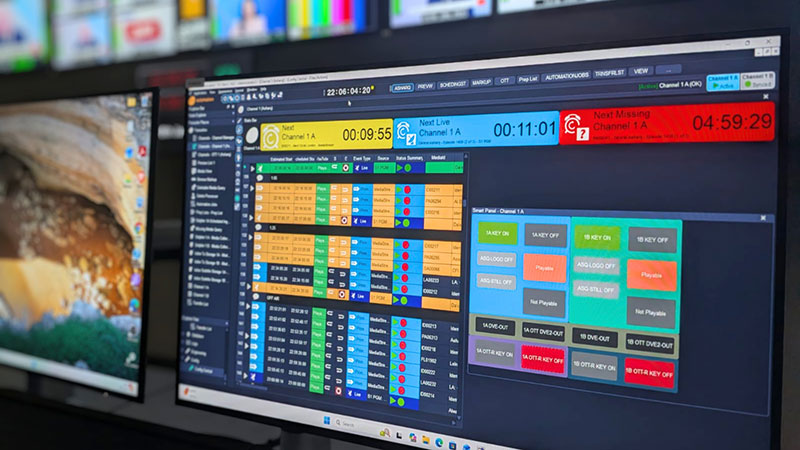
On top of field transmission, broadcasters successfully used the wider LiveU suite of cloud-native tools, which span the complete live production workflow, to build and execute REMI workflows without sending massive, expensive production trucks to every venue. With deployments built around remote production, it reduced the need for massive on-site crews that also add to costs.
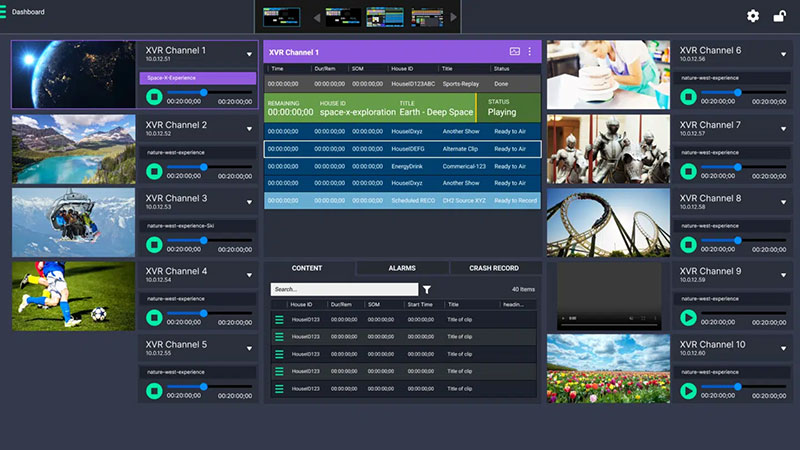
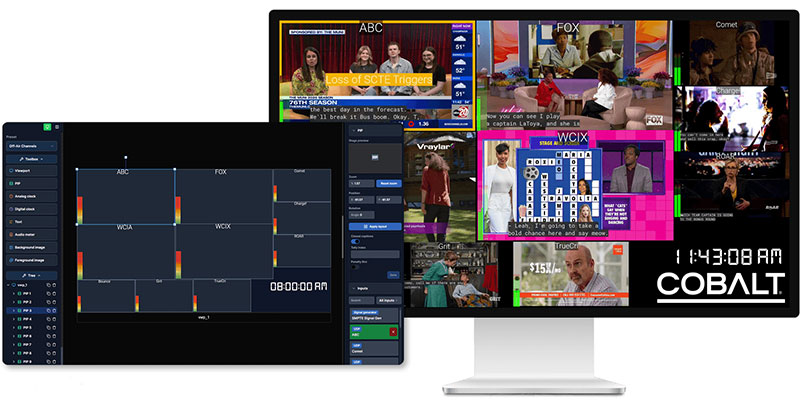
LiveU Central monitoring and management service gave operations teams a single point of visibility across every unit in the field. LiveU Ingest automated file-based recording and metadata tagging for rapid highlights and the LiveU Nexus gateway handled ingest, conversion and distribution of live streams from traditional encoders to social media. Nexus connects and routes diverse IP video sources across broadcast workflows by acting as a universal gateway and moving content directly between on-premises and cloud environments – including SDI, SMPTE 2110 and NDI-based production systems. LiveU Matrix routed live camera feeds to global newsrooms, production hubs and distribution partners.
Cross-Border Operations
The LiveU team was on the ground in all key locations through local partnerships. When urgent deployments arose, LiveU teams bypassed shipping and hand-delivered equipment directly to stadiums and production hubs to keep broadcasters on air. For instance, LiveU's relationship with One Media managed this complexity in Mexico, where close to 200 systems were coordinated, staged and tested more than a month before the opening match.
LiveU's guiding principle was to absorb operational complexity themselves, instead of pushing the responsibility to customers. Every client – whether running a full REMI workflow from their home country or streaming from a pop-up fan zone position – could focus entirely on editorial output. www.liveu.tv