

Colourist Dylan Hopkin talks about using DaVinci Resolve Studio’s VFX, HDR and AI-driven tools to balance human drama with creature horror in the Norwegian sci-fi thriller ‘Kraken’.
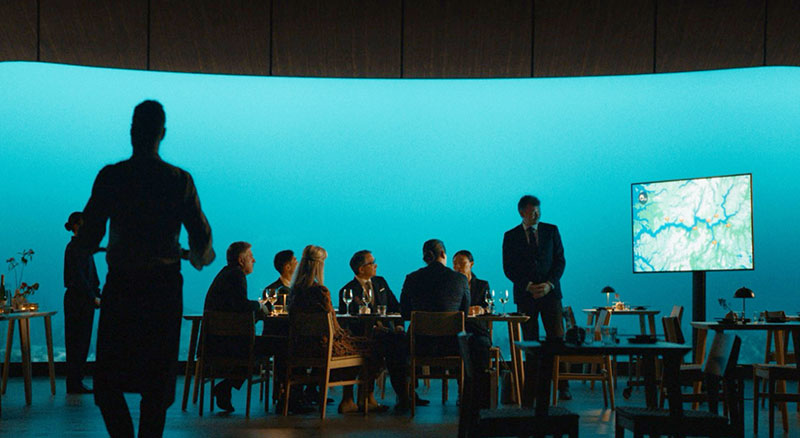
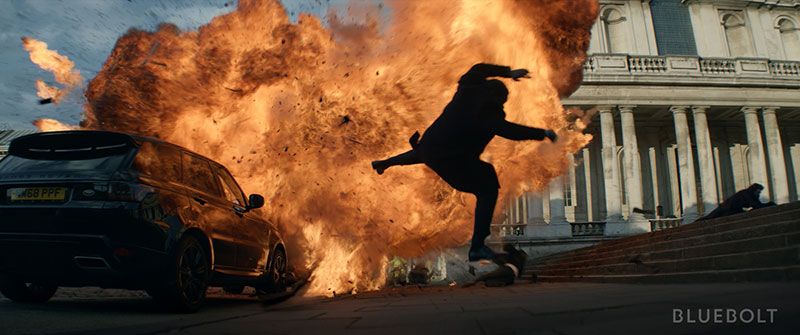
The Norwegian sci-fi thriller Kraken visualises a story that mixes intimate human drama with unsparing creature horror, set against the dramatic landscape of Norway's Sognefjord. Shot by Cinematographer Sjur Aarthun FNF, the film was graded by Senior Colourist Dylan Hopkin at Nordisk Film Shortcut Oslo.
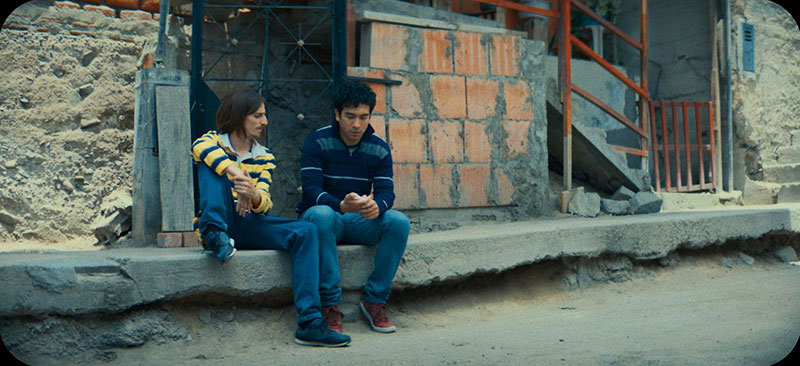
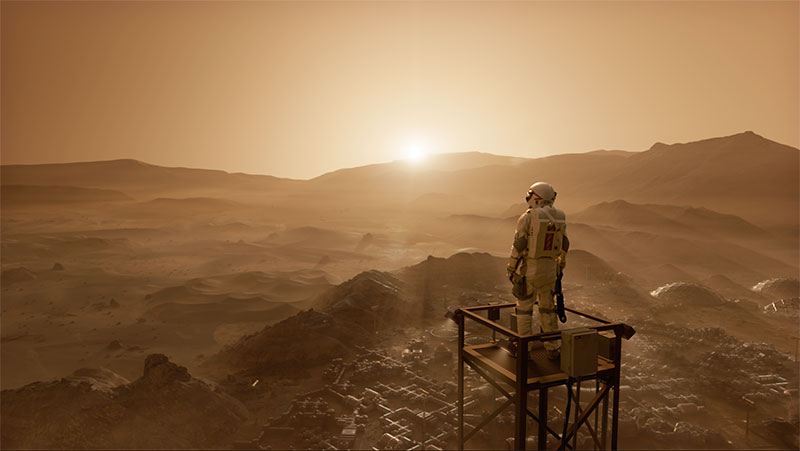
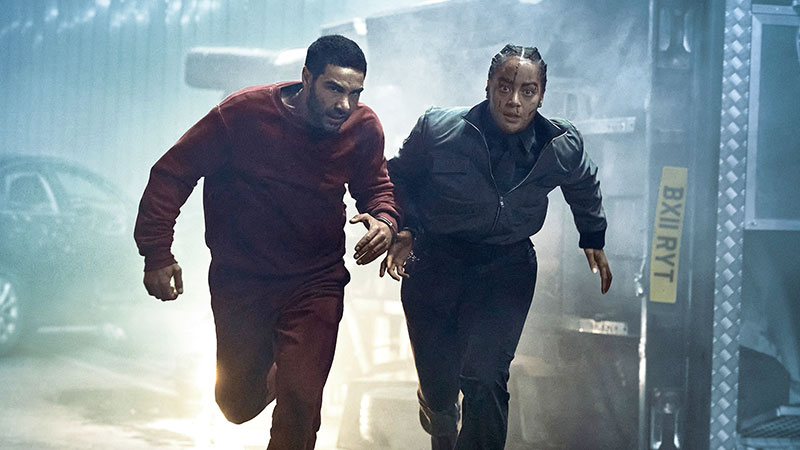
When Dylan started work on the film, he faced the challenge of balancing those two dramatic elements – horror and characters. “Kraken embraces all of the good qualities of what an exciting character driven SciFi thriller should have,” Dylan said. “There's human suspense, gritty aesthetics, jump scares, fast paced action and creepy but poetic creatures.”
Developing a Show LUT
Dylan and Sjur Aarthun, who served as Co Director as well as DP, worked together to develop a show LUT with creamy blacks pushed slightly colder, a subtle punch in the highlights toward green yellow, and deep saturated hues. “The overarching theme was defining a timeless cinematic look based on modern Hollywood blockbusters but with an intense Scandinavian style,” Dylan said.
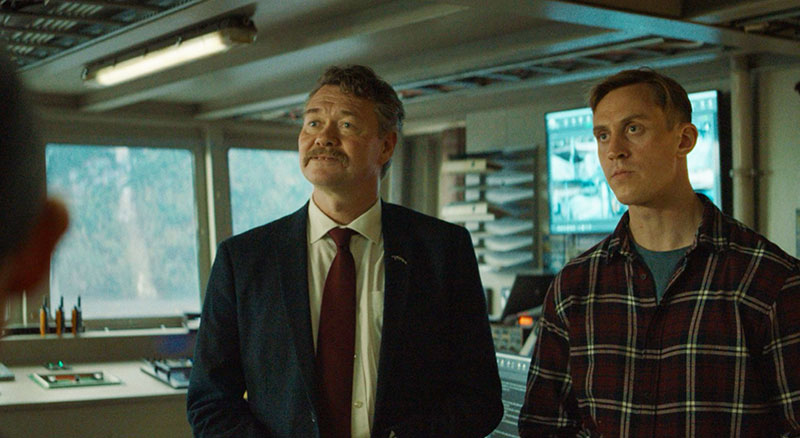
The use of diverse locations presented significant challenges. The show LUT had to work across panoramic fjord vistas, industrial fish farming environments and murky underwater sequences. Dylan graded the project's teasers and trailer first. “That process was extremely useful,” he remarked. “It allowed us to refine the look, but also to understand where the trailer aesthetics would need to diverge from the demands of a full length narrative.”
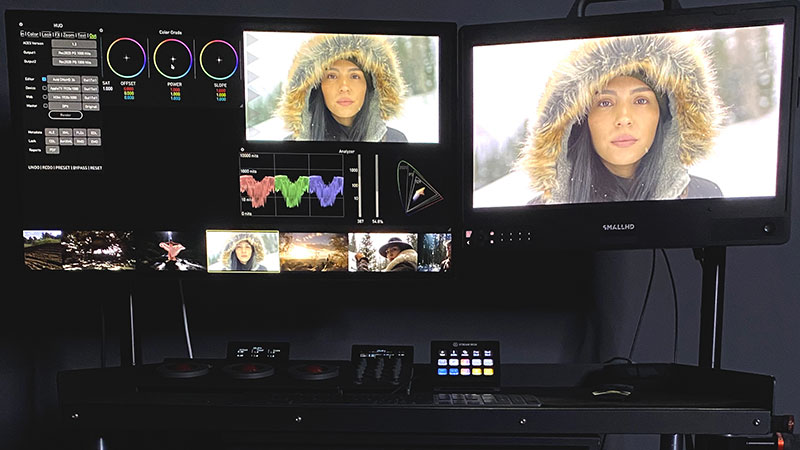
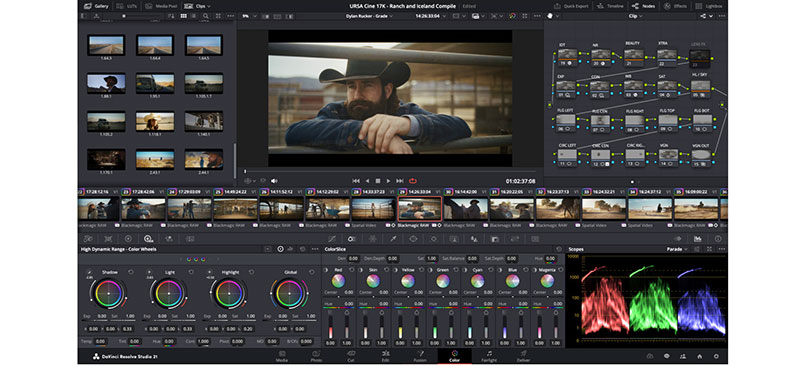
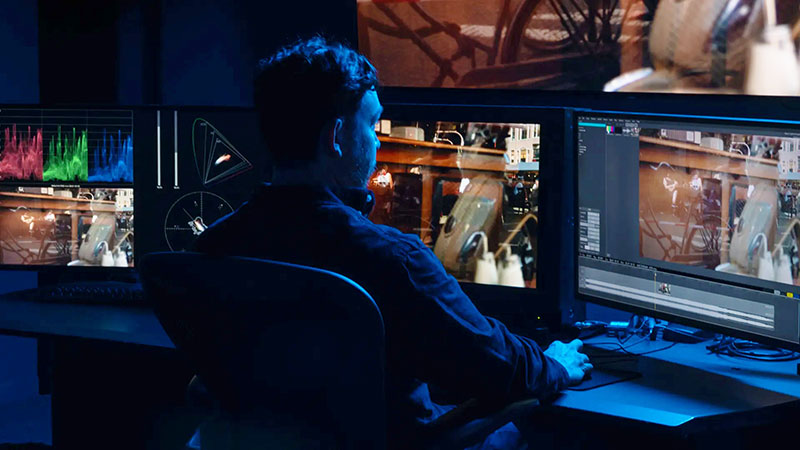
Dylan worked in Blackmagic Design's DaVinci Resolve Studio on macOS using a DaVinci Resolve Advanced Panel with digital cinema projection for theatrical monitoring. He maintained consistency through a fixed node tree used across the project, with Group Post Clip nodes allowing scene wide adjustments while preserving continuity. Group Post Clip can be used to batch colour grade multiple clips with the same lighting conditions and the same intentions in the story, at the same time.
AI and FX Tools
DaVinci Resolve Studio’s AI-assisted tools in fact became central to the workflow. “The purpose of AI in a colour grading context is the ability to get good results in an efficient manner, without compromising image quality. That’s what the AI tools in Resolve deliver,” said Dylan.
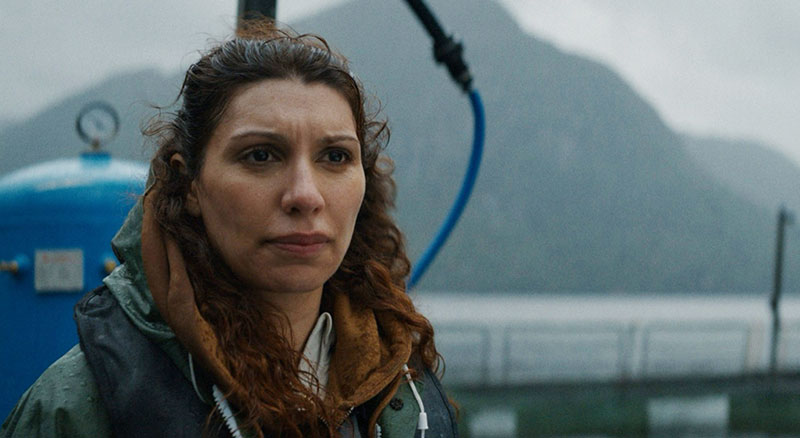
The Magic Mask has also up graded his approach to complex selections. “Tasks that used to involve complicated tracked windows or rotoscoping can now be solved in a much more natural way,” he said. “I used it in many spots for relighting faces, isolating creatures and excluding actors from background manipulations.”
DaVinci Resolve Studio’s Cinematic Haze OFX helped maintain atmosphere and continuity, particularly when VFX resources were stretched. After testing it to add fog to shots lacking VFX, Dylan showed the results to the filmmakers. “They were enthusiastic straight away. It helped marry the whole scene together and led to me handling more of the shots that needed effects work directly in the grade,” he said.
He could also use the integrated VFX tools to handle clean-up tasks that would typically have been returned to VFX, including removing moiré from LED volume backgrounds and object removal through node sizing embedded in compound nodes, to isolate and replace objects, or change the scale. “Solving these issues in the grade is far quicker than exporting plates back to VFX,” he noted.
Dolby Vision Mastering
Kraken is the first Scandinavian feature graded and mastered in Dolby Vision for theatrical release. This deliverable required Dylan to complete the grade at Dolby’s Barnes Theatre in London. “The image quality was extraordinary,” he commented. “Rich colour, refined highlights, deep blacks and near black detail I'd never experienced in a cinema before.”
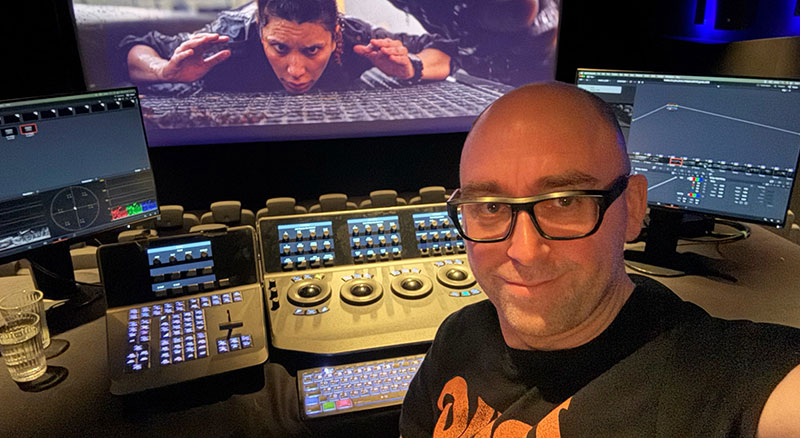
To achieve those qualities, Dylan used DaVinci Resolve Studio’s HDR Grade tools during the Dolby Vision grade. “They allowed for more precise control of micro contrast and saturation across custom tonal zones, making the transition between versions far more predictable,” he said. For example, the HDR scopes in DaVinci Resolve Studio are capable of measuring and supplying detailed information about ST.2084 and HLG images. This allows replacement of the 10‑bit scale of the scopes with a scale based on nit values, or cd/m2.
For Dylan, DaVinci Resolve’s continued development is opening more opportunities. “The focus for the development team is building practical tools for colourists, which makes ambitious projects like Kraken possible,” he said. www.blackmagicdesign.com