

Calrec continues its move toward virtualisation, has expanded its ImPulseV Virtualised Audio Mixing Engine by adding scaled down configurations and shorter, more flexible licensing terms.
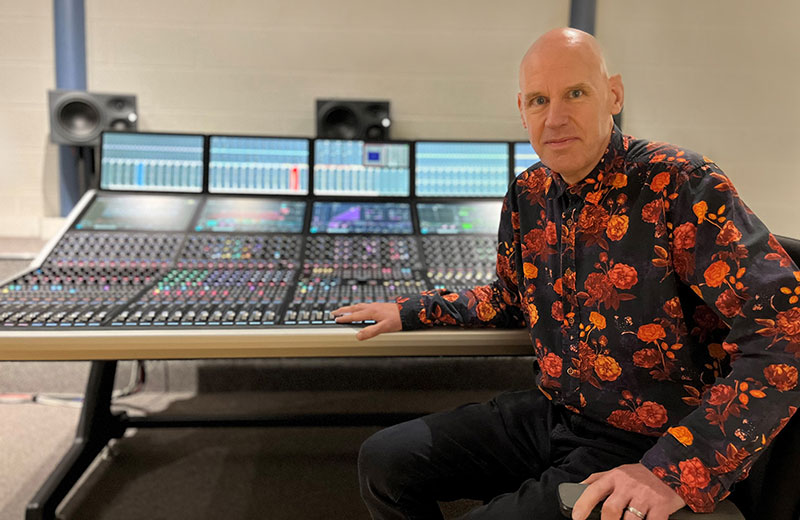
Henry Goodman, Director of Product Management, Calrec
Continuing its move toward virtualisation, Calrec has expanded its ImPulseV Virtualised Audio Mixing Engine, based on partnerships that indicate the industry's growing confidence in virtualised audio at scale.
ImPulseV now comes in two new DSP package options – 96 and 140 path configurations – serving as smaller alternatives to the existing 256-processing path option. Tailored for small-scale systems that need broadcast-grade audio performance, all three packages share the same comprehensive set of features, including full processing on every path and support for 5.1 and immersive audio formats up to 7.1.4. DSP resources can also be allocated dynamically across channel and bus paths in real time, in order to efficiently match different production setups.
The ImPulseV virtualised audio mixing software supports various approaches to hybrid ecosystem strategies - from physical hardware processing, public cloud, private cloud, COTS, edge processing or software defined production platforms such as Grass Valley AMPP and NEP Platform.
Calrec has also introduced shorter, more flexible licensing terms – one year, 12 weeks and four weeks – lowering the barrier to entry and allowing broadcasters to scale their production capabilities exactly when needed, without long-term commitments or high upfront costs. It is a useful way to expand resources for temporary, variable or one-off productions.
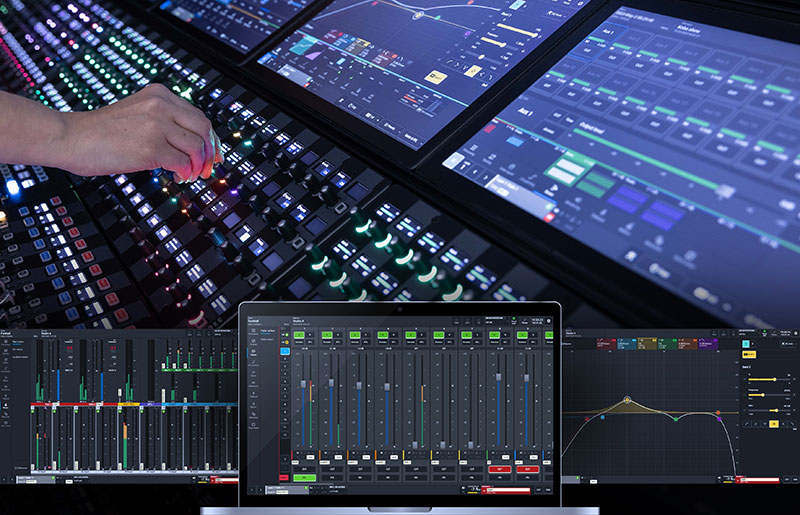
Calrec ImPulseV
"Traditional broadcasters are redesigning their operations so that they can produce more content for less outlay, faster and across more diverse platforms," said Henry Goodman, Director of Product Management at Calrec. "Remote and distributed production, combined with virtualisation, reflect the broader trajectory of live production. Broadcasters are moving away from fixed infrastructure and towards flexible, hybrid workflows that blend on-premise, cloud and distributed resources.
"This transition means that broadcasters can increase agility and cost efficiency through new business models. Hybrid workflows that incorporate a blend of existing and new infrastructure allow broadcasters to build resource efficiency into every production – and that is quite an attractive proposition." calrec.com