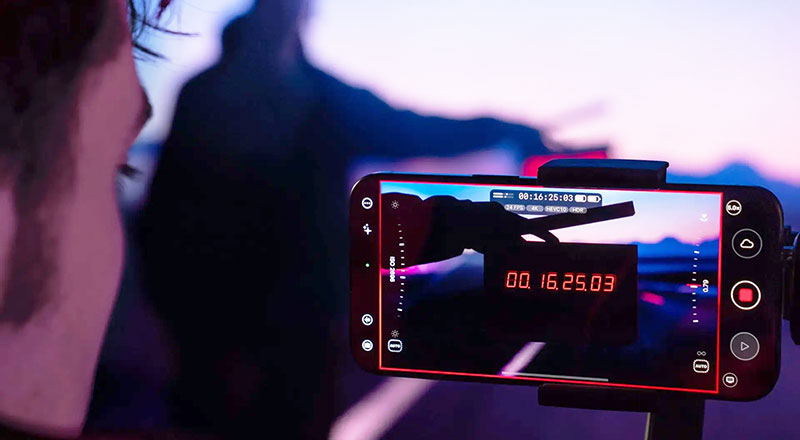


The new Dalet Flex LTS release further develops AI-assisted media intelligence and Dalia integration to accelerate media operations, and modernises ingest and editing workflows.
The new Long-Term Supported (LTS) release of Dalet Flex introduces intelligent automation across all stages of the media lifecycle from content acquisition and enrichment to editing, packaging and distribution.
To support today’s media organisations that are under pressure to produce more content for more platforms with limited teams and more complex workflows, this Dalet Flex LTS release includes deeper integration with Dalia, the company’s media-aware agentic AI platform, to help automate workflows and simplify operations.
"Dalet Flex is the operational backbone for modern media organisations," said Erwan Kerfourn, Head of Product for Dalet Flex. "This release raises the level of intelligent capabilities teams can access across their workflows, leading to greater efficiency and new ways of working using Dalia as a practical part of everyday media operations."
Content Acquisition and Security
For example, the Dalet Flex LTS updates help simplify content acquisition while improving enterprise security. Support for OpenID Connect (OIDC) authentication are features that lead to modern identity management and secure user authentication across Dalet Flex environments. New role-based permissions within Ingest Portal give administrators greater control over scheduling and recording operations, and improve governance for distributed production teams.
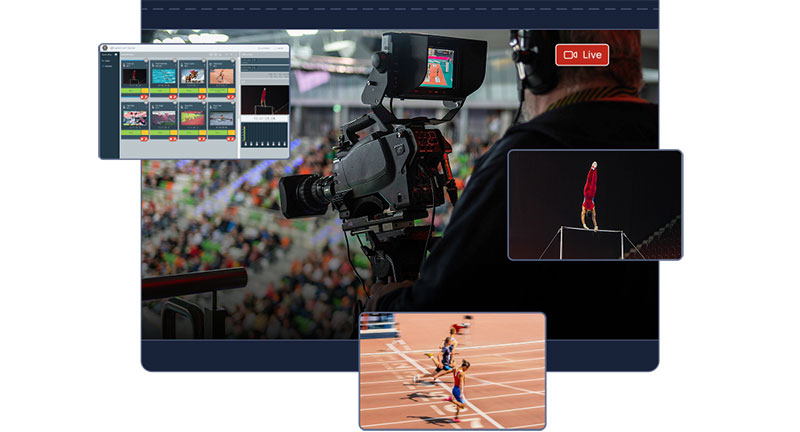
Ingest Portal now makes distributed live production more efficient as well – simpler scheduling, visibility across multiple time zones, FIFO scheduling for the Dalet Brio high density ingest/playout hardware, and broader format support including DNxHD for the Flex encoder. The net effect is a live ingest operation that scales across locations and time zones without adding operational risk or operators, turning content acquisition from a challenge into a controlled, repeatable capability.
AI Aligned to Users’ Content
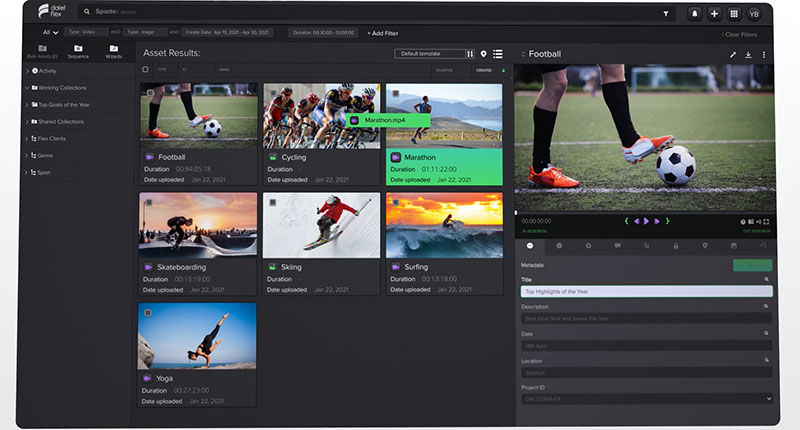
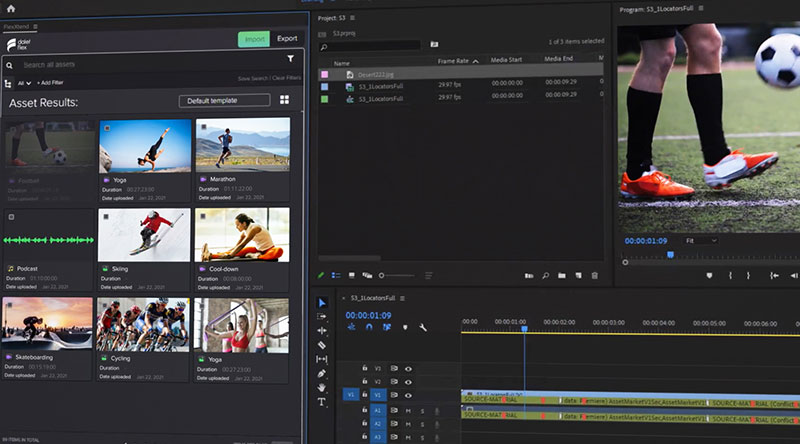
The updates to Dalet's built-in AI capabilities are now capable of automatically enriching media assets more accurately as they enter the production workflow. By generating rich metadata during ingest, teams can reduce manual logging and data indexing while improving content discoverability and increasing the long-term value of media libraries.
Vision models are embedded directly within the Dalet Flex infrastructure, which organisations can use to process content in place, wherever the media resides. As assets enter production, the platform is able to automatically identify objects, recognise emotional context and perform content moderation analysis without requiring media transfers to external AI services.
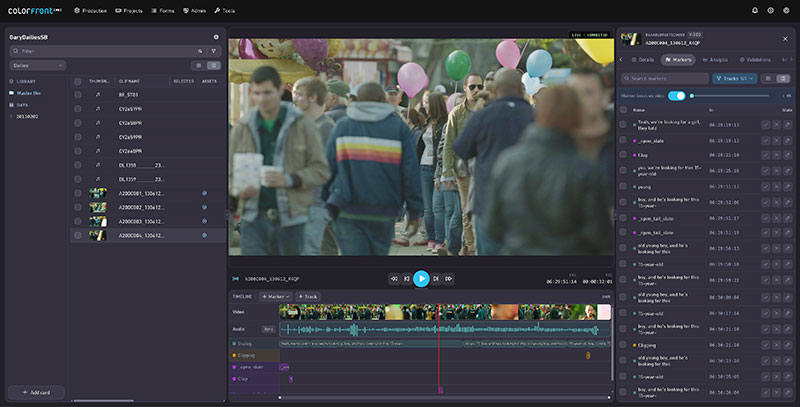
This intelligence is surfaced directly within Dalet Flex through the timeline-based metadata and asset views, making content easier to understand, search and repurpose throughout its lifecycle.
Editorial and Distribution Workflows
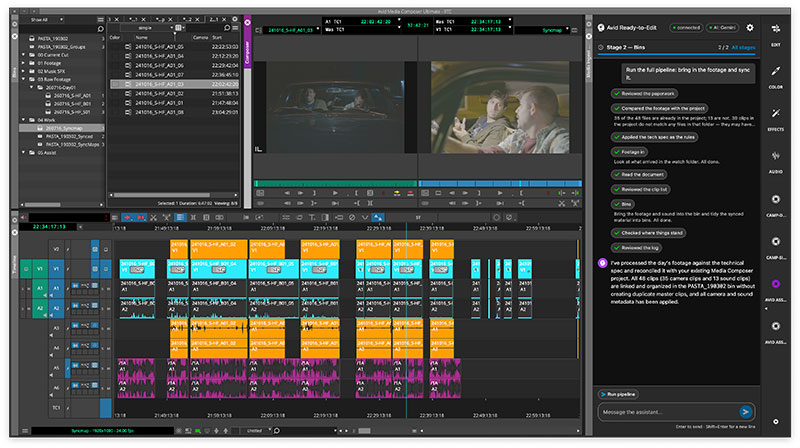
Regarding multi-platform publishing, new features in Dalet Cut include automated background blur for vertical video production, and blur functionality that tracks subjects to protect identities and sensitive information. With better text positioning and further image adjustment controls such as brightness and saturation, editors can complete more finishing work directly within the production workflow while relying less on external applications.
Content preparation for distribution is also made simpler through expanded media format support. The workflow wizards for packaging processes have been updated, and new caption burn-in capabilities within Dalet Flex Stream Processing integrate accessibility and compliance tasks directly into automated delivery workflows.
Automating Workflows via Dalia
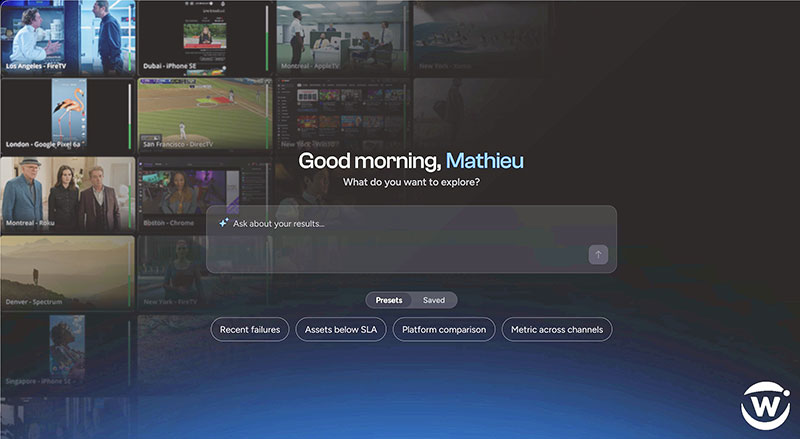
Development of Dalia has reached a stage where it has become an operational force multiplier across the media supply chain. Any workflow within the Flex environment can now be exposed to Dalia through simple configuration, and does not need custom development or use of specialised application interfaces. Consequently, teams can execute complex operations through natural language rather than interface expertise.
Dalia automatically discovers any workflow – from media processing and metadata enrichment to packaging, review and content delivery – present in the system, although Workflow Designer still gives teams precise control over which workflows are exposed to Dalia.
Once a workflow is detected, Dalia understands its structure and prompts the user for the variables required to run it, controlling complex operational processes through guided conversation. Intelligence is embedded directly into regular media operations, enhancing efficiency while maintaining the control, governance and transparency needed in professional production environments. www.dalet.com